
The Art of Elevated Living: Why a Professional Organiser is the Luxury Service You Didn’t Know You Needed

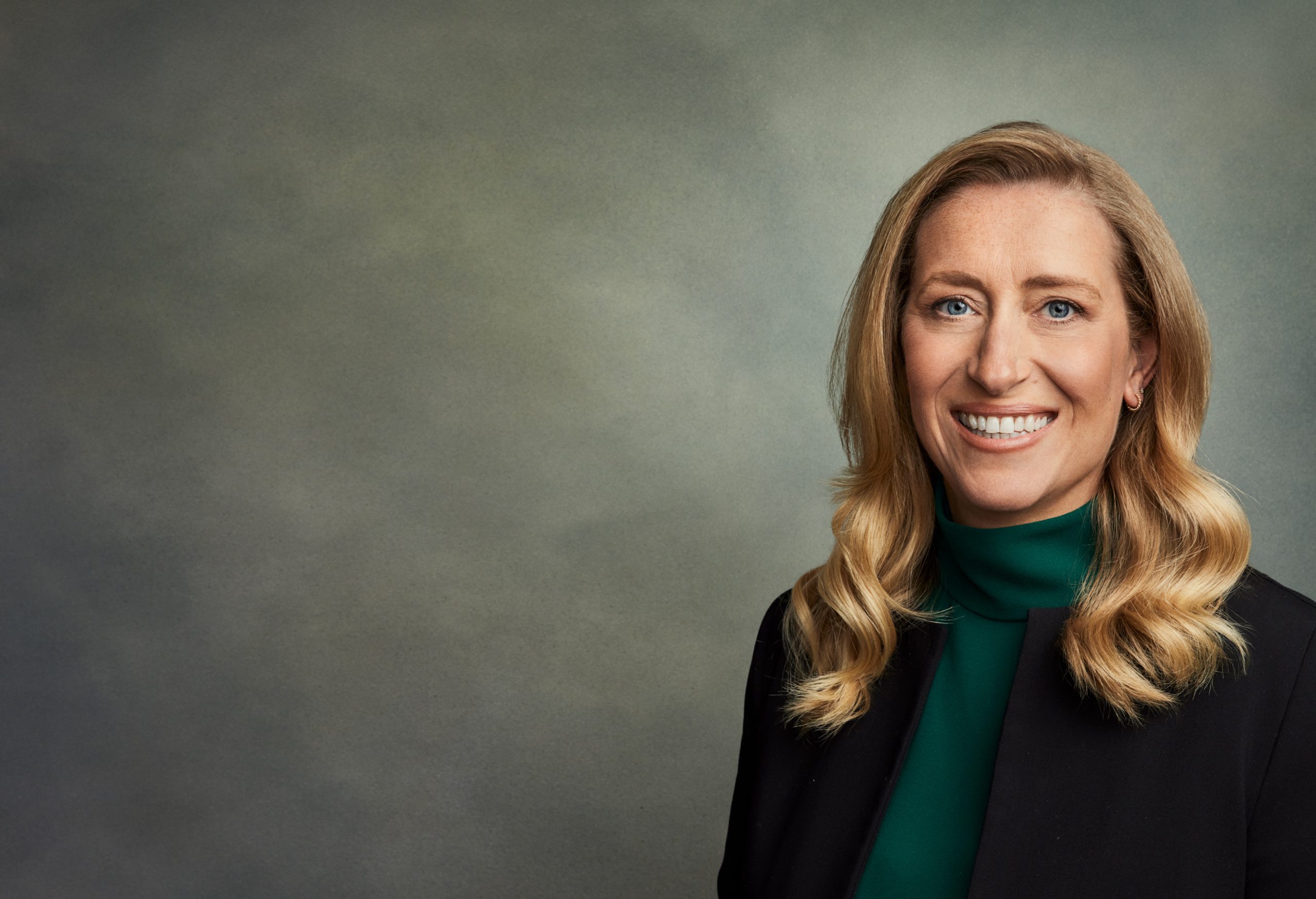
For high-net-worth individuals, home is far more than just a place to live—it is a sanctuary of refinement, comfort, and impeccable design. In this world of extraordinary success, the home serves as a reflection of a lifestyle that is both sophisticated and effortless. But, as Stephanie Rough, MEUM Lifestyle consultant and professional organiser, explains, luxury isn’t just about aesthetics—it’s about creating seamless, efficient living spaces. Just as you would hire the finest architects, interior designers, and chefs to perfect your environment, investing in a professional home organiser is key to elevating your lifestyle even further.

“Many high-net-worth individuals often underestimate the transformative power of professional organisation,” says Stephanie. “They are used to hiring experts in every field, but an organiser is often seen as an afterthought. Yet, organisation plays a fundamental role in creating that effortless living experience that truly defines luxury.”

Bespoke Solutions for a Lifestyle of Distinction.

The homes of the wealthy are rarely standard, and neither are their organisational needs. “No two homes are alike, and no two families live in the same way,” Stephanie notes. Whether it’s curating a meticulously catalogued art collection, organising a wine cellar for easy access, or setting up a flawless dressing room, Stephanie’s goal is to ensure that every element of a home is designed for sophistication, accessibility, and, most importantly, functionality. She continues, “A beautiful home should be more than visually pleasing; it should function seamlessly. From expansive wardrobes to well-stocked kitchens, clients often have collections of rare books, haute couture, fine jewellery, and unique objets d’art. I ensure that everything is carefully organised and preserved, allowing effortless access while maintaining its value.”

Supporting Staff and Operational Harmony

For households with staff, organisation extends to the practicalities of daily operations. “Many of my clients have teams of personal assistants, housekeepers, and estate managers. My job is to create systems that enhance their efficiency and ensure the smooth flow of daily operations,” Stephanie explains. Collaborating with household staff, she tailors organisational systems that work in harmony with the home’s aesthetic and functional requirements. Everything is arranged in a way that is stunning to behold yet intuitively functional, from the hidden storage solutions to the subtle details that maintain the home’s luxurious atmosphere.

Effortless Relocation: A Seamless Transition

Life changes, and homes must evolve with it. Whether a client is expanding their family, moving into a new residence, or simply seeking to reconfigure their space, Stephanie ensures these transitions are smooth and stress-free. “Relocating can be one of the most overwhelming tasks, but it doesn’t have to be,” she says. “I take care of every detail, from packing suitcases with precision to rotating wardrobes for the new season.”

For those who move frequently or need to reconfigure their space, Stephanie’s organisational prowess offers peace of mind. Rather than spending weeks unpacking and adjusting, she ensures that from the moment a client walks into their new home, everything is perfectly arranged.”

“My job is to ensure that your new home is not just unpacked, but truly optimised for your lifestyle,” Stephanie adds. “From liaising with movers and designers to working with household staff, I take on the logistics so you can focus on what matters most—your business and personal commitments.”

Investing in Effortless Luxury

The key to truly luxurious living is time—and for those who understand this, hiring a professional organiser is more than a luxury; it’s a necessity. “The reality is, for high-net-worth individuals, time is their most valuable asset,” Stephanie explains. “By entrusting the art of organisation to an expert like me, my clients are able to reclaim their time and transform their homes into sanctuaries of serenity and elegance.”

For those who value ease and efficiency, Stephanie’s services unlock the full potential of a home, turning it into a haven of luxury living. “True luxury isn’t about having more,” she concludes. “It’s about living better, and a professional organiser is an integral part of creating a life that is as effortless as it is exquisite.”

In the world of high-net-worth individuals, where every detail matters, hiring a professional organiser like Stephanie Rough can make all the difference in crafting a home that is both a work of art and a model of functionality.

If you would like advice or assistance organising your home, please speak with Stephanie Rough. You can check out Stephanie’s full profile HERE.


#MeToo AND BEYOND: LEGAL OBLIGATIONS FOR EMPLOYERS IN PREVENTING SEXUAL HARASSMENT

#LetsTalkHR

Recent revelations have brought to light a troubling trend of high-profile individuals, including Al Fayed, Jimmy Savile, Jeffrey Epstein, and Harvey Weinstein, engaging in egregious acts of sexual harassment and abuse of power. These cases underscore the critical need to address workplace sexual harassment, spurred by the #MeToo movement and subsequent shifts in societal attitudes.

From 26 October 2024, employers will bear a new legal duty to prevent sexual harassment in the workplace. This duty represents a proactive stance, requiring employers to take pre-emptive measures to mitigate the risk of sexual harassment.

Key Changes and Obligations

Under current law, employers can escape liability for sexual harassment claims, committed by their employees if they can demonstrate that they had taken “all reasonable steps” to prevent the harasser from committing sexual harassment. The new legislation on the other hand, imposes a positive obligation on employers to anticipate scenarios and prevent sexual harassment proactively. The broad range of scenarios which could pose a risk should be considered in light of each particular type of workplace.

Implications for Private Households

Private households, due to their unique dynamics and environments, are particularly susceptible to risks associated with sexual harassment. Factors such as lone working arrangements, power differentials, and social interactions, often involving alcohol may necessitate careful consideration.

Employers in private households are now subject to heightened obligations under the new legislation. This includes ensuring respectful and professional interactions not only between the principal and employees but also within the broader household environment, including family members, friends, and guests.

Consequences of Non-Compliance

Failure to comply with these obligations may result in:

  • Increased compensation awards by up to 25% in cases where an Employment Tribunal finds a failure to prevent sexual harassment.
  • Potential action by the Equality and Human Rights Commission (EHRC), which could include requiring an action plan or entering into a binding agreement to effect change, with court injunctions as a possibility.
  • Severe reputational damage, particularly concerning for high-profile employers, given the media scrutiny surrounding allegations of sexual harassment.

Next Steps

  1. Conduct comprehensive risk assessments within the household environment. Consider household dynamics or how the behaviour of frequent visitors could create situations where harassment might occur.
  2. Update household handbook to include anti-harassment policy, ensure it is  communicated effectively to all family and staff members.
  3. Implement proactive measures, including setting expectations for respectful interactions and boundaries with family members and guests.
  4. Establish accessible reporting mechanisms for staff to report incidents of harassment promptly.
  5. Provide training for house managers or personal assistants on handling harassment issues effectively and in compliance with legal obligations.

By proactively addressing these requirements, private households can align with the new legal framework, safeguarding both their employees and their reputation in the process.on in the process.

GLOBAL MOBILITY AND RELOCATION: NAVIGATING SHIPPING DISRUPTIONS IN 2024 #LetsTalkGlobalMobility

In today’s fast-paced world, few things can derail global mobility plans quite like shipping delays. While 2023 saw a return to pre-pandemic levels and timeframes in the shipping industry, 2024 has been less forgiving. For anyone coordinating international moves, the current disruptions affecting the shipping industry are more than just a minor inconvenience—they’re a serious headache. Let’s explore the key issues impacting shipping, which, in turn, are significantly affecting the global mobility and relocation process:

  • Port Congestion: Major ports, particularly in Shanghai, Ningbo, and Los Angeles, are facing severe congestion. This is the leading cause of increased lead times, unpredictable shipping schedules, and consequently, rising shipping costs worldwide.
  • Container Shortages: The uneven recovery from pandemic-related disruptions has created a significant imbalance between importing and exporting regions. As a result, supply and demand for containers are misaligned, making it increasingly difficult to secure a container—let alone a vessel.
  • Enhanced Border Controls: Stricter border controls, particularly in Germany, have been implemented to address illegal migration and security concerns. These measures are notably affecting the movement of goods across borders in the Schengen region, causing further delays.
  • Emergency Bunker Surcharge (EBS): The EBS is an additional fee imposed by shipping companies to offset the rising costs of fuel, especially when fuel prices increase unexpectedly. For instance, this surcharge adds approximately £300 to the cost of shipping a 20ft container and £800 for a 40ft container.
  • Geopolitical Tensions: Political instability, conflicts, and tensions between nations are creating new barriers to the free movement of goods. Restrictions in conflict-affected regions, such as Ukraine and parts of the Middle East, are further complicating shipping times and reducing the availability of vessels and containers.

As if moving internationally wasn’t stressful enough, these factors can make the global mobility process seem overwhelming. While some issues are beyond our control, having strong connections within the shipping industry can be invaluable. Whether you’re relocating from Germany to the UK or from Dubai to Monaco, Jeremy has the expertise to guide you through the process. With insider knowledge and extensive relationships with multiple carriers, Jeremy can offer alternative solutions to ensure the process is as fast and cost-effective as possible.

In addition to Jeremy’s relocation services, our Global Mobility team provides comprehensive support with immigration, tax planning, property and education advice to make your move as seamless as possible—no matter the destination.